WHEN THE BOUGH BREAKS, THE BUBBLE WILL BURST…
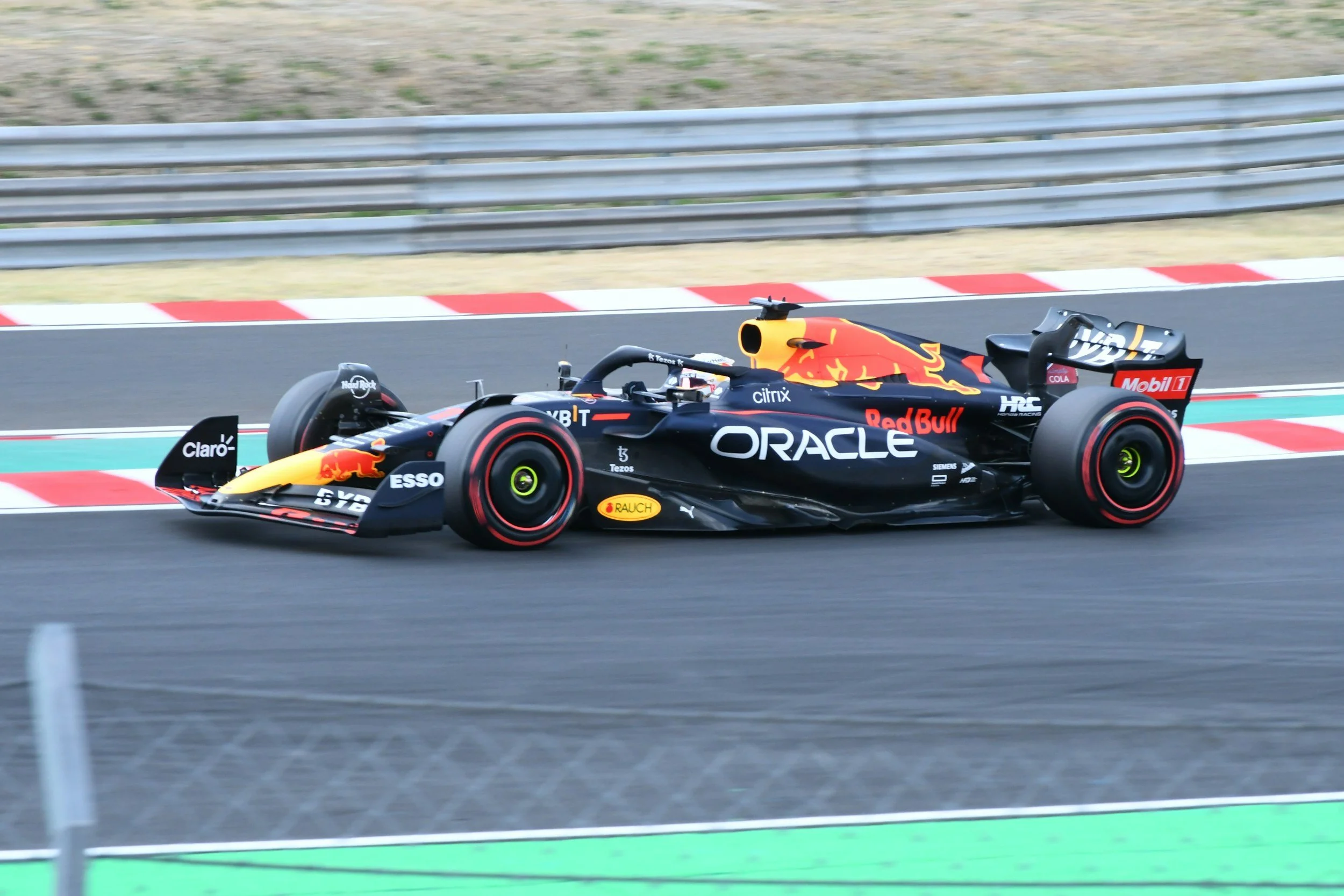
Here’s a brutal truth to the motorsports marketing community. We've built a bubble around Formula 1, and despite our best intentions, we're all contributing to the derailment of the sport’s immense potential.
Welcome to LinkedIn, where everyone is now a motorsports expert, chiming in on the brilliance of Formula 1, its cultural relevance, its incomparable achievements, and its sure-bet ROI for brands chasing big wins with global audiences. Here's the problem, though, we're lying. We're lying to land the next pitch with a curious consumer brand, secure the next opportunity to charge a consulting or finder's fee, or gain favour with the powers that be at Formula 1, the teams, Liberty Media, and every other gatekeeper sitting on those highly-coveted Paddock passes.
Objectively, Formula 1 is brilliant and stacked with potential that even some of the sport’s top-brass haven't yet fully grasped. The sport is still finding its way to the cultural relevance it's truly capable of. Its achievements are modest, but it is not a sure bet for brands chasing global audiences. Additionally, Formula 1 isn't truly global until it successfully conquers Africa. If you have a look of shock, horror, confusion or are just generally puzzled by what I've written so far, I invite you to take a walk with me.
Before we proceed, understand that this is not an attack, not on Formula 1, the teams or you, the eager commentator. This is an invitation to everyone to reconsider how we see the reality and the future of this brilliant sport being built through our individual and collective efforts. Now let’s walk.
Allow me to draw a comparison between Formula 1, the NBA, and the NFL. My notes are extensive, but I'll keep this as concise as I can.
The NFL was founded in 1920, the NBA in 1946, and Formula 1, though its rules were conceptualised earlier, began in earnest in 1950. All three leagues have had roughly the same amount of time to build their commercial and cultural footprint. While the structures of these leagues have developed differently over time, here is how things stand when you compare them right now:
The NFL generated approximately $23 billion in 2024–25, the NBA $12.25 billion, and Formula 1 $3.65 billion. The big catch here is that F1 is the only sporting league out of these three which operates as a near-global sport with activities across five continents.
The average NFL franchise is worth $7.65 billion and the average NBA franchise $5.51 billion. F1 teams are only recently crossing the $1 to $2 billion threshold, meaning even the most valuable F1 team currently wouldn't rank among the least valuable franchises in the two American leagues mentioned.
The NFL and NBA have secured media rights deals worth $110 billion and $76 billion respectively, each over 11 years. F1 has no comparable equivalent, with rights still fragmented across regional broadcasters.
Sponsorship is F1's most competitive metric, as it generated $2.04 billion against the NFL's $2.5 billion and the NBA's $1.7 billion in 2024.
For those familiar with my posts, I maintain my firm opposition to the concept of cumulative social media follower numbers but let me humour that lens for the purpose of this article. The NBA commands approximately 2.1 billion followers across platforms, the NFL operates at a comparable level. F1 currently sits around 97 million.
The numbers above aren't an indictment of Formula 1. They offer a moment of sobriety when we think about where the sport actually stands relative to the ambition of the conversation being had around it. We cannot afford to gloss over this.
Right now, the most insignificant development in Formula 1 generates a wave of LinkedIn posts insisting it matters more than it appears. We’re talking about Formula 1 here, not a niche sport like curling or darts. If the talking points require that much convincing, surely something is off. Aren’t brands sophisticated enough to see past the noise, especially when the fuller commercial picture is laid out alongside the NFL and NBA? The contrast speaks for itself, so why is this happening?
Cultural relevance means nothing if it doesn't last beyond the next news cycle, and for Formula 1, true ubiquity remains out of reach despite its near-global footprint. Brands enter the sport without genuinely understanding the space, with IP restrictions and commercial realities only revealing themselves after contracts are signed and budgets committed. We're misleading some brands into believing Formula 1 is the answer when they'd be better served elsewhere, and they end up leaving after one partnership tenure filled with disappointment. We're also praising mediocre activations and partnerships loudly enough to convince brands that underwhelming performance is simply what Formula 1 delivers. The right brand fit is about more than just a direct relationship between a brand and a team. True success is only really achieved through a robust ecosystem where learning takes place, secondary partnerships can form, and every stakeholder is better positioned to realise real ROI. If this ecosystem isn't being built honestly, no amount of LinkedIn cheerleading will change the commercial outcome we ought to be chasing.
The most damaging consequence of all this noise is that it suffocates the honest, critical thinking the sport needs to help it better identify its weaknesses, close the gap on its real competitors, and build a commercial strategy worthy of what Formula 1 could genuinely become.
We need more open critique of partnership choices, activations, marketing strategies and even policies. It is helpful to have debates behind closed doors, but more so openly so that learning can be real and accessible. In this age of AI-written content and responses, it may be tough at first, but this is exactly how we separate the real from the fake and most importantly move this industry forward. We have work to do!